Do you fully understand the breakdown of your calf milk replacer? Do you understand the role of each component? Do you know the difference between skim & whey calf milk replacer?
Understanding these aspects of your calf milk replacer is vital in knowing how you can maximise the potential of your calves.
Skim vs Whey Calf Milk Replacer
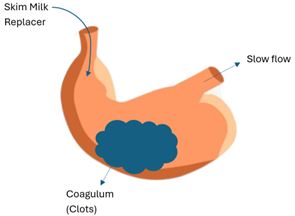
Skimmed milk is typically around 80% casein & 20% whey. The casein forms a clot in the abomasum and is digested like whole milk.
The level of skimmed milk replacer as a percentage of the total protein will determine how well a clot forms.
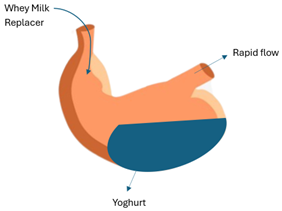
Whey based powders do not contain casein meaning they do not form a clot in the abomasum and are digested faster.
Whey Milk Replacer (WMR)
WMR forms a yoghurt in the abomasum.
This flows through the abomasum faster.
The calf begins to intake concentrate sooner.
Skim Milk Replacer (SMR)
SMR coagulates in the abomasum.
This flows through the abomasum slower.
This maximises nutrient absorption from the milk replacer.
Proteins
Protein is essential to the calf for tissue growth and skeletal development.
Protein sources can be milk-based e.g. dried skimmed milk/dried whey, or egg based e.g. soya/wheat gluten/pea.
Fats
A 40kg calf has a metabolisable energy requirement of 7.8MJ/day in thermoneutral conditions. Fats are a key driver of the total energy content for the calf.
Total energy to the calf is vital for maintenance of bodily functions, development of the immune system and is a key driver of growth.
In the UK, CMRs contain vegetable fats e.g. palm, coconut or soybean oil, which have a similar digestibility to milk fat in calves over 3 weeks.
Fats and oil are more energy dense to the calf than lactose, whilst they reduce the risk of nutritional scours to the calf, unlike lactose.
Ash
Ash indicates the level of minerals within the powder.
The ash content should not be higher than 8%. A high ash value interferes with the gut and increases the susceptibility to nutritional scour.
If you need anymore support & guidance when choosing your calf milk replacer, please get in touch with us via the form below or call us on 01606 869253.
Newsletter
Sign up to receive our quarterly newsletter direct to your inbox and be the first to hear about upcoming offers and information at The Calf Company